NEW LOCATIONS OPEN NOW
Why Is My Dog Sneezing?
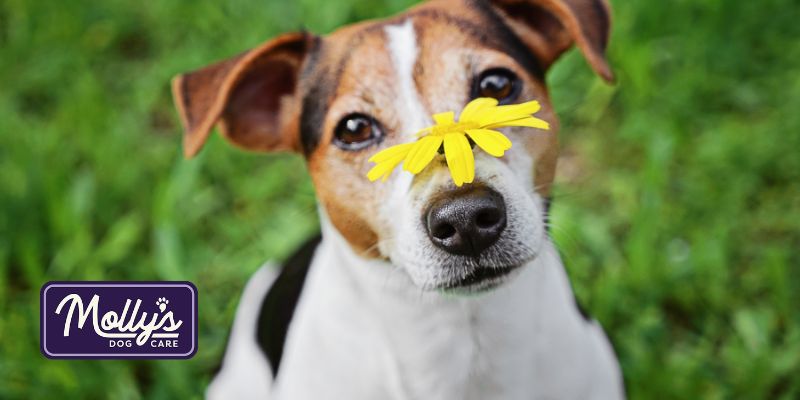
Your dog buries their nose in the grass on a walk, then pulls back and sneezes a few times like something tickled them. Later, playtime kicks up, and those quick little sneezes show up again right in the middle of the fun. Most of the time, it is nothing serious. Still, when it starts happening often, it is normal to wonder what is causing it and when it deserves a closer look.
Why Do Dogs Sneeze?
Sneezing is the body’s quick way of clearing the nose. Dust, pollen, a strong smell, a little bit of grass, or even an excited burst of energy can all trigger it. A few sneezes here and there usually mean the nose is doing its job.
The pattern matters more than the occasional sneeze. If sneezing starts happening daily, shows up in long bursts, or comes with other changes like coughing, thick discharge, or a runny nose, it can point to irritation, allergies, or an upper airway issue, and it is worth getting veterinary guidance.
The Most Common Reasons Dogs Start Sneezing More Often
Most sneezing falls into a few familiar categories. The key is noticing what tends to happen right before it starts and what else shows up with it.
Irritants in the Air and in the Environment
Perfume, scented candles, smoke, cleaning sprays, dusty rooms, and even pollen outdoors can irritate the nose. Some dogs sneeze most after sniffing around in grass, mulch, or leaf piles because tiny particles get stirred up and tickle the nasal passages.
Seasonal and Environmental Allergies
Allergies can show up as sneezing, especially during certain times of year or after being outside. Some dogs also get watery eyes, itchiness, or more paw licking when allergies are part of the picture.
Excitement Sneezes During Play
A burst of sneezing during play can happen when energy spikes. It often looks like quick, light sneezes that come and go, then your dog returns to normal as soon as the excitement settles.
Reverse Sneezing
Reverse sneezing can sound dramatic, like rapid snorting or honking, and it often shows up suddenly. Many dogs recover quickly, but frequent episodes or episodes paired with other symptoms deserve a vet check.
Colds And Upper Respiratory Irritation
Sneezing that comes with coughing, tiredness, a runny nose, or thick discharge can signal an infection or inflammation in the upper airways. This is one of the moments where timing and symptom combinations matter more than guessing the cause.
What To Watch For At Home
Sneezing by itself can be harmless. Sneezing plus other changes gives you much better information. A quick check at home can help you decide whether you can monitor for a day or two or whether it is time to call the vet.
Pay Attention To The Pattern
How often sneezing happens, and whether it comes in short bursts or long episodes
Whether it starts after walks, cleaning days, or playtime
Whether it is improving, staying the same, or getting worse
Check For Extra Symptoms
Coughing, gagging, or throat clearing
A runny nose or any discharge, especially if it is thick, yellow or green, or bloody
Watery eyes, itchiness, or increased paw licking
Pawing at the nose, rubbing the face on the floor, or sudden sensitivity around the muzzle
Changes in energy, appetite, or sleep
Notice Which Side
Sneezing from one side more than the other can sometimes point to irritation on that side, like something stuck or a localized issue
If you are seeing frequent sneezing plus discharge, coughing, or behavior changes, that combination is usually the sign to stop monitoring and get veterinary advice.
When Sneezing Is Worth A Vet Call
A few sneezes here and there usually pass on their own. A vet call makes sense when sneezing turns into a pattern or comes with symptoms that suggest more than a simple tickle.
Reach out for veterinary advice if you notice any of the following:
Sneezing that keeps happening for more than a couple of days without improving
Long sneezing episodes that repeat throughout the day
Sneezing paired with coughing, gagging, or noisy breathing
Thick nasal discharge, yellow or green discharge, or any blood
A runny nose that does not let up
Pawing at the nose, rubbing the face, or acting like something is stuck
Low energy, reduced appetite, or a dog who just seems off
Reverse sneezing episodes that increase in frequency or start coming with other symptoms.
If breathing looks difficult at any point, treat it as urgent and seek care right away.
What You Can Do Right Now
Start with the simplest step. Try to connect the sneezing to what happened right before it started. That clue often tells you what to change.
A few safe, practical moves:
Reduce irritants in the home. Skip strong sprays, heavy fragrance, smoke, and dusty cleaning around your dog.
After outdoor sniffing, offer water and let your dog settle somewhere calm.
If allergies seem likely, note when sneezing flares and what your dog was exposed to. That pattern helps your vet.
Keep play calmer for a day if sneezing spikes during high excitement, then see if it settles.
If Reverse Sneezing Shows Up
Stay calm. Many dogs recover quickly. Help your dog slow down by pausing activity and encouraging a calm stance. If episodes keep happening often or start showing up with coughing or discharge, that is a good reason to call the vet.
Avoid Home Medication Guessing
Do not give human cold or allergy medication unless a veterinarian has told you exactly what to use and how much. Treatment depends on the cause, and the wrong product can create a bigger problem.
Plan Daycare Or Boarding The Safe Way
If sneezing comes with coughing, discharge, or a dog who seems uncomfortable, start with a vet call so you know what you are dealing with. If daycare or boarding is coming up, reach out to your neighborhood Molly’s before drop off to confirm the right timing and any requirements, so your dog stays comfortable, and the daycare group stays healthy.
Recent Blogs:

Summer Grooming Tips to Keep Your Dog Cool
From Puppy Class to Canine Good Citizen: A Dog Training Roadmap

How to Choose the Best Dog Daycare

What Colors Can Dogs See?
My Dog Has Separation Anxiety—Will Daycare Help?

How Often Should You Take Your Dog to Daycare?

Is Dog Daycare Good for Dogs?

Dog Boarding vs. Pet Sitting: What's Better for Your Dog
Why Is My Dog Sneezing?
How Much Does Doggy Daycare Cost?