NEW LOCATIONS OPEN NOW
From Puppy Class to Canine Good Citizen: A Dog Training Roadmap
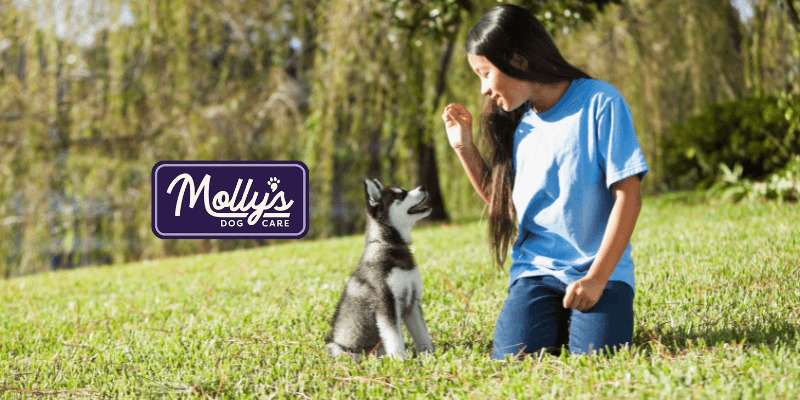
Nobody brings home a puppy expecting a perfectly behaved adult dog to materialize on its own. But a lot of people also don't have a clear sense of what the path from chaos to calm actually looks like, or how long it takes, or what comes after "sit" and "stay."
Training isn't a single class you take once and check off. It's a progression, and knowing the stages ahead of time makes the whole thing far less overwhelming. Here's the roadmap, from those first wobbly puppy weeks all the way to earning a Canine Good Citizen title.
Stage One: Puppy Preschool and the Socialization Window
The single most important training period happens earlier than most people realize. Between roughly 8 and 16 weeks, puppies are in a critical socialization window where positive exposure to new people, dogs, sounds, and environments shapes who they become as adults. Miss it, and you're often doing remedial work later. Nail it, and you've set a foundation that pays off for years.
Puppy preschool exists specifically for this window. These early classes aren't about drilling perfect obedience. They're about building confidence, learning that the world is a friendly place, and getting comfortable around other dogs and people in a controlled setting. Basic building blocks like name recognition, crate comfort, and gentle handling all start here.
The goal at this stage is a puppy who's curious rather than fearful. Everything else builds on that.
Stage Two: Basic Obedience
Once the socialization foundation is in place, basic obedience is where structure enters the picture. This is the stage most people picture when they think "dog training," and it covers the core commands that make daily life with a dog actually workable.
A solid basic obedience curriculum usually includes:
Name recognition and attention, or getting your dog to look at you on cue
Sit, down, and stay
Recall, meaning coming when called, which is genuinely one of the most important skills a dog can learn
Leave it and wait, for impulse control
Loose-leash walking, so walks stop feeling like a tug-of-war
The methods matter as much as the commands. Molly's Dog Care builds every program around positive, science-based training, which means clear communication and reward rather than harsh corrections or quick-fix gimmicks. Dogs trained this way tend to be more confident and more reliable, because they're working with you instead of trying to avoid a correction.
Stage Three: Real-World Reliability
A dog who nails "stay" in a quiet living room but falls apart the moment a squirrel shows up hasn't really learned it. They've learned it in one distraction-free context, and that's where a lot of training quietly plateaus.
Getting past that means proofing behaviors in progressively tougher environments, until your dog can hold a stay at a busy park or walk calmly past another dog on the sidewalk. Group classes shine here, since they build in exactly the kind of controlled distraction dogs need. It's also where the "both ends of the leash" idea earns its keep. Your dog is only as consistent as the handling they get, so what you reinforce at home matters just as much as what happens in class.
Stage Four: Canine Good Citizen
Run by the American Kennel Club, the Canine Good Citizen program is a widely recognized benchmark for a well-mannered dog. The test covers practical, unflashy things: accepting a friendly stranger, sitting politely for petting, walking on a loose leash, moving through a crowd, and staying composed around other dogs and mild distractions.
Even if you never formally take the test, working toward CGC is worthwhile, because those are the exact skills that make a dog easy to bring anywhere. And for dogs who do earn it, the title can open doors, from therapy work to a warmer welcome at pet-friendly spots.
How Long Does All of This Take?
There's no universal timeline, and anyone promising one is overselling. A rough sense: puppy socialization happens in those first few months, basic obedience typically takes a few months of consistent work, and real-world reliability plus CGC readiness builds over the following months to a year, depending on the dog and how consistent the practice is.
The dogs who progress fastest aren't necessarily the smartest ones. They're the ones whose people practice a little every day and keep the training consistent between formal sessions. Ten minutes daily beats a two-hour cram session every time.
Where Molly's Fits Into the Roadmap
Molly's offers training options that map onto pretty much every stage of this journey, from puppy preschool and group classes to private one-on-one sessions and specialty workshops for specific challenges like jumping or leash manners. There are even options to fold training into a daycare or boarding stay, so your dog keeps making progress while they're already there.
Every program runs on the same philosophy: socialization, confidence, and clear communication, without the harsh corrections. Because training genuinely should be as rewarding for the dog as it is for you.
Start Wherever Your Dog Is
Whether you've got an eight-week-old puppy or an adult dog who missed a few steps along the way, there's a starting point on this roadmap for you. The best time to begin is now, and the second-best time is the next class that fits your schedule.
Find your nearest Molly's and explore training options.
Frequently Asked Questions About Dog Training
When should I start training my puppy?
Right away. The socialization window between 8 and 16 weeks is the most important developmental period for behavior, so puppy preschool and gentle early training should start as soon as your puppy is old enough and cleared by your vet. Waiting until they're older means missing a window you can't fully get back.
What's the difference between puppy class and obedience training?
Puppy classes focus on socialization, confidence, and exposure during the critical early window. Basic obedience comes next and focuses on specific commands like sit, stay, and recall. They're sequential stages, not competing options.
Is positive reinforcement training actually more effective?
Research consistently supports reward-based, science-driven methods over correction-heavy approaches. Dogs trained with positive reinforcement tend to be more confident, more reliable, and more engaged with their handlers. It's the approach every Molly's program is built on.
What is the Canine Good Citizen test?
It's an American Kennel Club program that evaluates practical good-manners behaviors, like accepting strangers, walking on a loose leash, and staying calm around distractions. Passing earns a recognized title, and working toward it is worthwhile even if you never formally test.
Do adult dogs benefit from training, or is it too late?
It's never too late. The old saying about old dogs and new tricks isn't true. Adult dogs learn well, and group classes, private sessions, and CGC prep all work for dogs of any age.
Recent Blogs:

Summer Grooming Tips to Keep Your Dog Cool
From Puppy Class to Canine Good Citizen: A Dog Training Roadmap

How to Choose the Best Dog Daycare

What Colors Can Dogs See?
My Dog Has Separation Anxiety—Will Daycare Help?

How Often Should You Take Your Dog to Daycare?

Is Dog Daycare Good for Dogs?

Dog Boarding vs. Pet Sitting: What's Better for Your Dog
Why Is My Dog Sneezing?
How Much Does Doggy Daycare Cost?